The Fish We Eat
AWWU is committed to the environment, and our goal is simple:
To protect the quality of our Cook Inlet water, its aquatic life, and the people who rely on Cook Inlet for recreation, livelihood, and sustenance.
Many Alaskans rely on Cook Inlet for subsistence, personal-use, and recreational fishing. As part of the permit renewal process, AWWU conducted a study to better understand whether treated wastewater from Asplund could affect the safety of fish harvested from Cook Inlet.
The study evaluated 116 different pollutants, including inorganic compounds such as methylmercury; pesticides such as chlordane and DDT; and volatile and semi-volatile organic compounds, which can include components found in fuels, hydraulic fluids, paint thinners, and dry-cleaning agents.
To be protective of people who consume large amounts of locally harvested fish, the analysis used conservative assumptions. It evaluated potential risk for adults who:

Weigh approximately 175 pounds

Drink 2.5 liters of water per day

Eat 308 grams (10.9 ounces) of fish per day
The results found that Asplund’s treated wastewater discharge did not increase estimated cancer risk above a reasonable threshold using best available science.
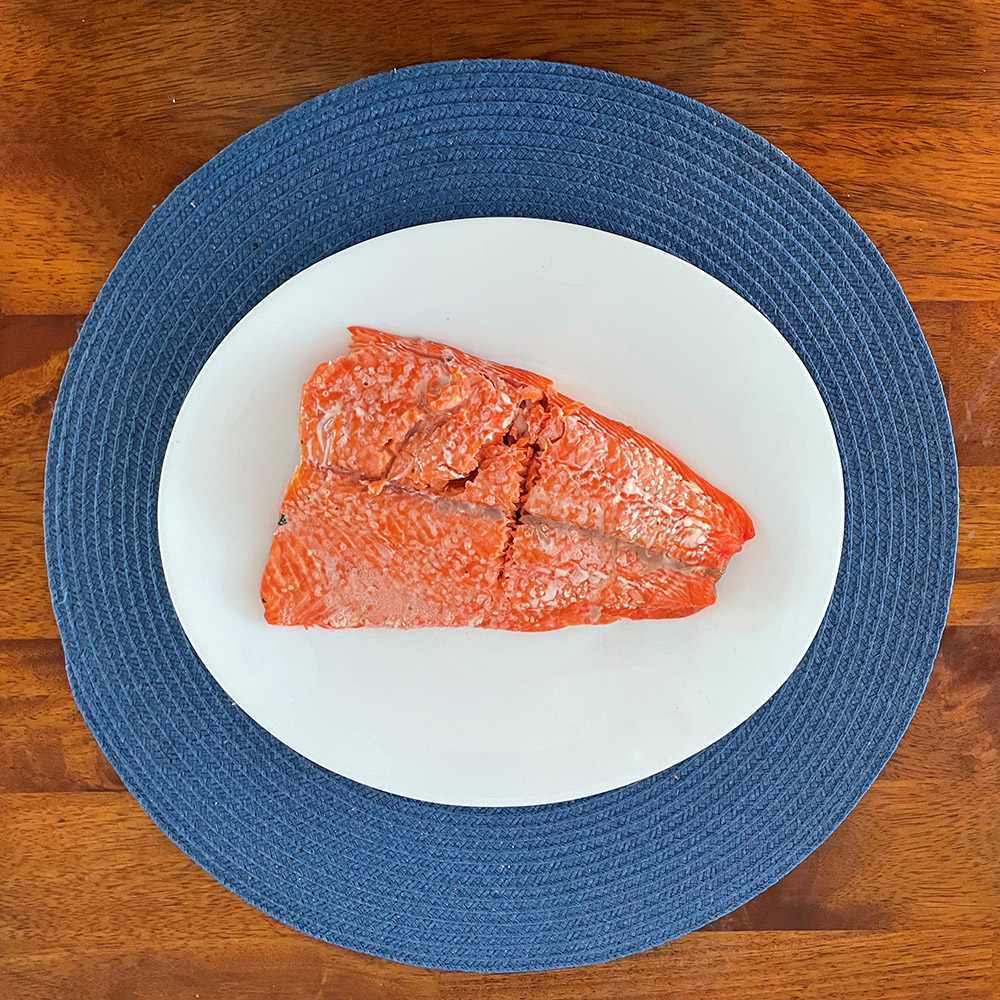
Conservative estimates for human health consumption of fish by Alaskans assumes consumption of 308 g (10.9 oz) per day, every day – as show in the picture above. This is roughly one quarter of a good-sized Coho salmon.
Copyright ©2026 Municipality of Anchorage, Alaska. All Rights Reserved.